
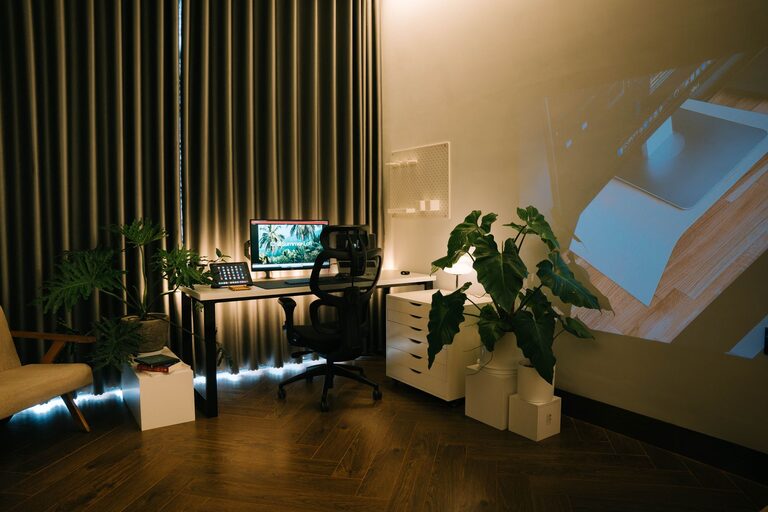
Creating a home workspace that feels relaxing and inviting is essential for maintaining focus and productivity, especially when working remotely or tackling projects at home. A calming environment helps reduce stress and can make your workday more enjoyable. If you’re looking to revamp your home office or create a new workspace, the tips below will guide you through the process step by step.
Why a Relaxing Workspace Matters
Your surroundings influence how you feel and how well you work. A cluttered or uncomfortable workspace can lead to distractions, frustration, or fatigue. On the other hand, a well-thought-out, relaxing space encourages creativity, concentration, and a better work-life balance.
Choosing the Right Location
Consider Natural Light
Natural light has a positive impact on your mood and energy levels. When possible, set up your workspace near a window to benefit from daylight. Avoid screen glare by positioning your workstation perpendicular to the window.
Find a Quiet Spot
Choose an area of your home that is relatively free from noise and foot traffic. If space is limited, consider using noise-canceling headphones or room dividers to create a sense of separation from household bustle.
Designing Your Workspace
Comfortable Furniture
Invest in a chair that offers good back support to prevent discomfort during long hours of sitting. Your desk should be at a comfortable height, allowing your arms to rest naturally at a 90-degree angle while typing.
Declutter to Destress
Keep your desk clear of unnecessary items. Use organizers like trays, drawers, or shelves to store supplies neatly. A clean workspace minimizes distractions and promotes clarity.
Add Personal Touches
Incorporate items that bring you joy such as plants, artwork, or photos. Green plants, in particular, improve air quality and add a soothing, natural element to your space.
Lighting Tips for Relaxation and Focus
Use Layered Lighting
Combine different types of lighting: ambient (overall room light), task (focused lighting like a desk lamp), and accent (decorative lights) to create a balanced atmosphere. Choose bulbs with warm or neutral tones for a cozy, inviting feel.
Control Brightness
Avoid harsh, overly bright lights as they can cause eye strain. Consider adjustable lamps or dimmer switches so you can modify lighting depending on the time of day or task.
Organizing Your Workspace Efficiently
Keep Essentials Within Reach
Store frequently used items like pens, notebooks, and chargers nearby to avoid unnecessary movement and interruptions. Using drawer organizers can help keep these items tidy and easy to find.
Use Labels and Systems
Label storage containers and develop a system for papers and documents to maintain order. Digital tools like task management apps can also help keep your workflow organized.
Managing Technology and Cables
Tidy Cable Management
Use cable clips, sleeves, or zip ties to keep cords untangled and out of sight. This not only makes your space look cleaner but also reduces tripping hazards and equipment wear.
Minimize Screen Distractions
Turn off non-essential notifications to stay focused. Customize your computer’s workspace by organizing desktop icons and closing unused tabs.
Incorporating Break and Wellness Areas
Create a Mini Relaxation Spot
If space allows, add a small area for breaks – a comfortable chair, a cushion, or a standing desk option. Taking brief breaks away from your main workstation can refresh your mind and reduce eye strain.
Practice Mindfulness
Add items that encourage relaxation techniques such as a small diffuser with calming essential oils, a stress ball, or simple yoga/stretch instructions nearby.
Tips for Maintaining Your Relaxing Workspace
– Daily Tidy-Up: Spend 5 minutes at the end of each day tidying your desk and putting items back in place.
– Review Your Setup: Periodically assess your workspace to make improvements for comfort and efficiency.
– Stay Hydrated: Keep a water bottle nearby to stay hydrated and alert.
– Set Boundaries: Establish work hours and stick to them to prevent burnout.
—
Creating a relaxing home workspace doesn’t have to be complicated or expensive. By focusing on comfort, organization, lighting, and personal touches, you can transform your work area into an environment that supports your well-being and productivity. Remember, a workspace tailored to your needs boosts not only your work quality but also your overall satisfaction. Happy working!